China Will Cut Tariffs on US Agricultural Products, But Soybeans Are an Exception
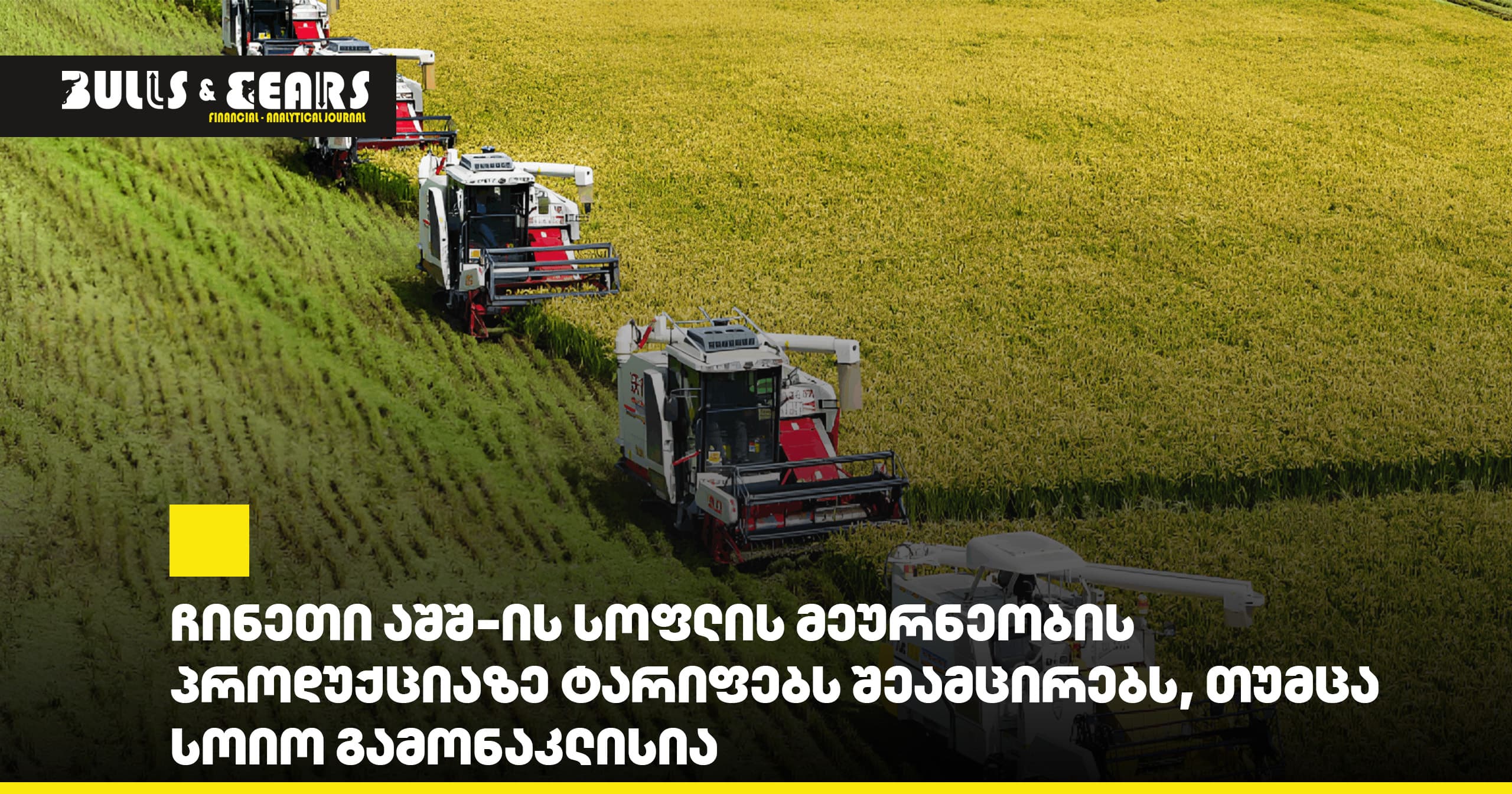
China is planning to reduce customs tariffs on a broad range of US agricultural products, including corn, wheat, meat and dairy products. However, soybeans — one of the largest US agricultural exports to China — were not included in the list jointly published by China's Ministry of Commerce and the White House.
Market participants had expected news of China lowering tariffs on American agricultural products following last week's meeting between Xi Jinping and Donald Trump in Washington.
The reduction in tariffs on agricultural products is part of a $60 billion package of reciprocal tariff concessions. The package was prepared as a result of negotiations by the trade council and was first published on Monday.
The list includes sorghum, vegetable oils and their processed products, including soybean oil and soybean meal, as well as meat, dairy products and other goods. However, the document does not specify when the tariff reductions will take effect.
According to China's Ministry of Commerce, more than 90% of the products included in the list will be exempted from all additional tariffs imposed between the two countries and will be subject to most-favored-nation customs rates.
The US's additional 10% tariff on soybeans, however, remains in force. Traders estimate that this rate is too high for private processing companies, which are struggling to fully absorb the costs, even though Chinese state buyers have increased their purchases.
According to Feng Chucheng, founder and partner of Hutong Research, soybeans are not considered a trade-sensitive product, but China's purchases of them carry significant political weight. In his assessment, keeping soybeans under a separate tariff regime gives Beijing additional leverage in negotiations with Washington, particularly ahead of the US midterm elections.
China's state-owned companies Sinograin and COFCO have purchased more than 12 million tons of soybeans from the US. This is nearly half of the 25 million tons that, according to the White House, China has agreed to purchase annually through 2028.
According to Reuters calculations, the trade volume of agricultural and related products included in the list published on Monday amounted to approximately $17 billion in 2024, which roughly matches China's announced purchase commitment, excluding soybeans.
In May, the White House stated that Beijing had agreed to purchase this volume of products annually through 2028. However, China has not yet officially confirmed a specific target volume for such purchases.
According to a trader working in Asia for an international company that sells soybeans in China, Chinese state-owned companies will continue purchasing US soybeans, while the reduction of tariffs on other products will help the country fulfill its $17 billion commitment. The trader did not wish to be named.
According to traders' estimates, in the absence of tariffs, the final cost of soybeans imported from the US and Brazil would be around $595 per ton. However, Chinese buyers typically prefer Brazilian soybeans, as they have higher oil and protein content. Under current price conditions, China's private processing companies are operating at a loss.
At 07:09 GMT, the most actively traded soybean futures contract on the Chicago Board of Trade (CBOT) was down 1.38%, at $13.75 per bushel.
Get our latest market analysis and financial insights delivered straight to you. No spam — just the signal.