
Asian technology stocks rose
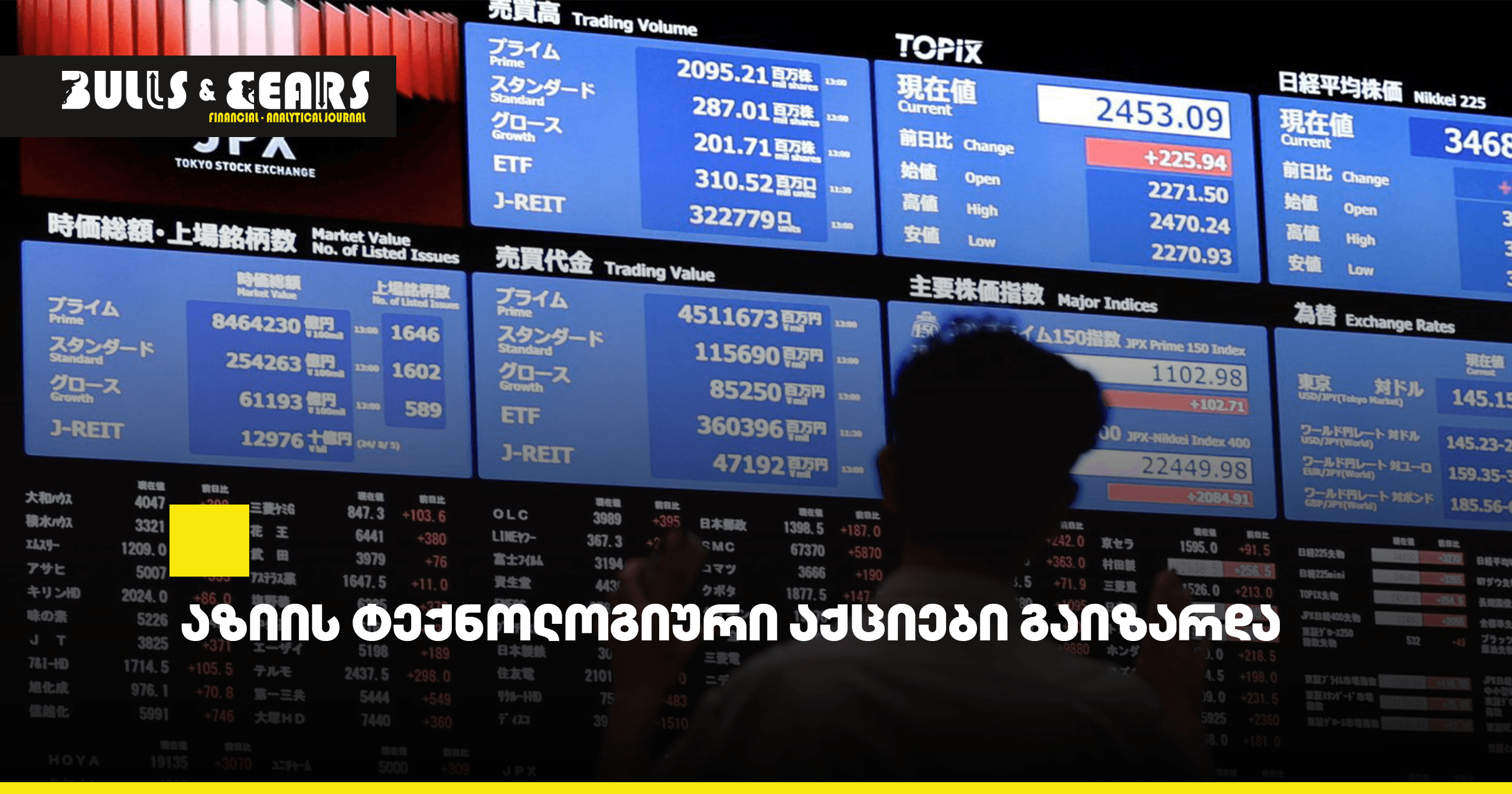
Asian semiconductor and technology stocks rose on Thursday, as investors took advantage of lower prices to boost buying in the sector, which had recently been under pressure amid growing doubts about the long-term sustainability of the artificial intelligence market.
Among regional markets, Taiwan's TWII index posted the best performance, rising 2.4%. The gains were driven by shares of local chip manufacturers and electronics companies. However, Taiwan Semiconductor Manufacturing Company (TSMC) shares declined slightly, while shares of electronics manufacturer Hon Hai Precision, also known as Foxconn, gained more than 3%.
South Korea's KOSPI rose 1.2%, partially recovering losses after falling to a nearly 11-month low earlier in the week and plunging 6% in the previous trading session. Shares of memory chip manufacturers SK Hynix and Samsung Electronics rose 5% and 2.5%, respectively, with both companies emerging as the main contributors to the index's gains.
Sentiment on the South Korean market was also boosted by the country's central bank decision to significantly raise its economic growth forecasts for 2026 and 2027.
Japan's Nikkei 225 gained 1.6%. The rally was supported by demand for shares of major semiconductor companies: Advantest, Kioxia and Tokyo Electron rose between 3% and 11%.
Positive sentiment on Asian markets was also supported by the recovery recorded on Wall Street during the final part of Wednesday's trading session. As investors took advantage of lower prices to buy, the Nasdaq Composite managed to rise from its lowest level in nearly eight months. Nevertheless, US markets still ended the day lower, while US stock index futures rose during Asian trading.
Technology stocks fell sharply in October and November. Investors' concerns were driven by the long-term outlook for the artificial intelligence sector, particularly amid rising interest rates and increased scrutiny from US regulators.
Additional uncertainty in the market is being created by Nvidia's governance crisis. Over the past two weeks, the company's CEO Jensen Huang was unexpectedly removed from his position, only to be reinstated later. Despite his return, Nvidia's shares have failed to achieve a sustained recovery, leaving investors cautious about the prospects for a broad-based rally in the artificial intelligence sector.
In addition, rating agency S&P placed Nvidia's credit rating under review for a possible downgrade. The decision was attributed to weaknesses related to the chipmaker's corporate governance standards.
Get our latest market analysis and financial insights delivered straight to you. No spam — just the signal.