
Bitcoin Declined - U.S. Inflation Data Increases Uncertainty About Fed Policy
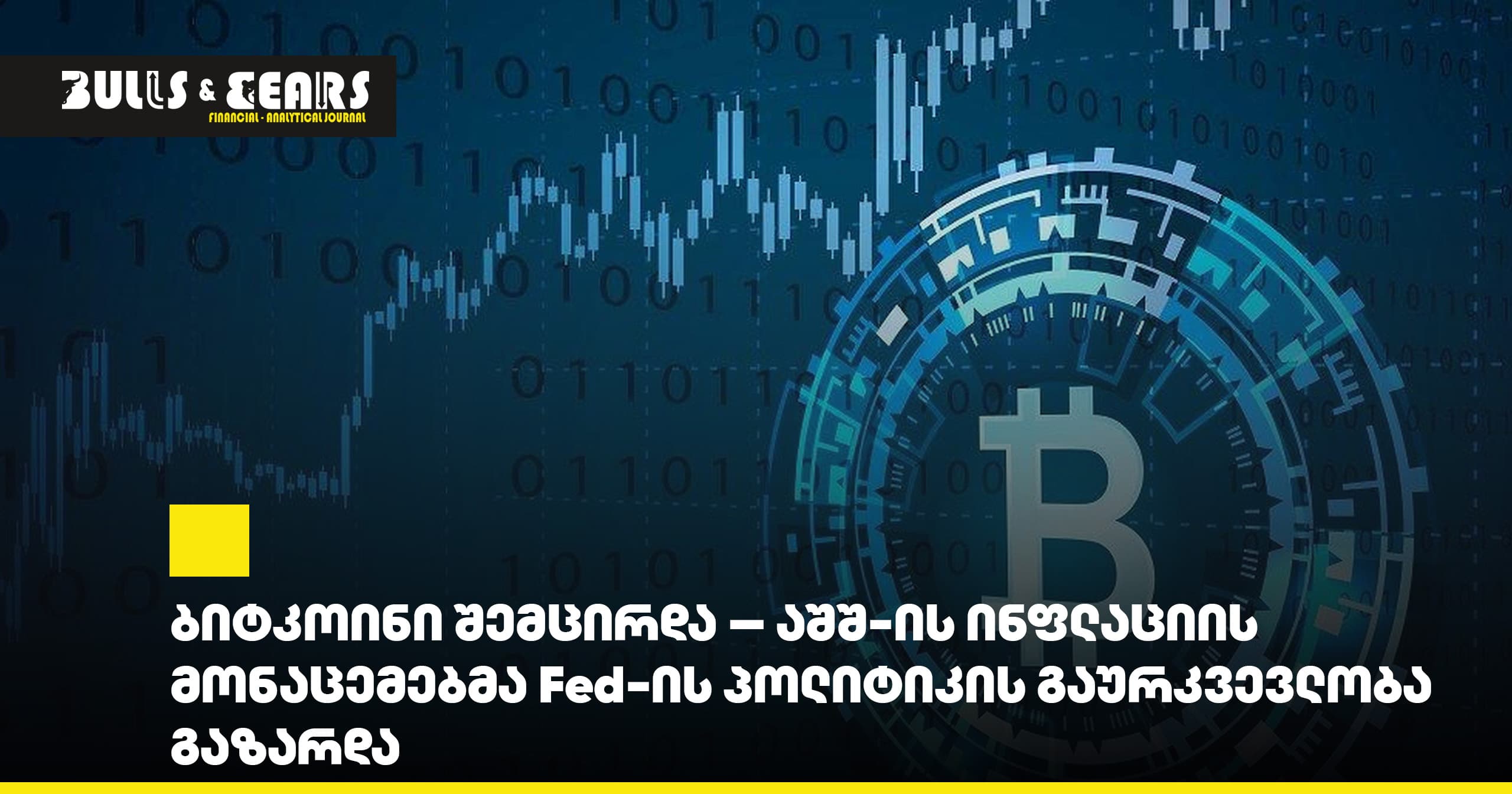
Bitcoin's price declined on Wednesday and retreated from its three-month high. Pressure on the cryptocurrency intensified after new U.S. data showed that the Fed's preferred inflation measure remained unchanged in July, making the direction of interest rates at the September meeting even more uncertain.
Bitcoin fell 0.5% to $78,217.50 at 09:55 ET. Earlier in the week, the cryptocurrency's price had exceeded $80,000.
Market attention is also focused on Nvidia's quarterly financial results. Investors believe the company's report could have a significant impact on technology stocks in the coming weeks, as well as on overall investment sentiment related to the AI sector.
PCE inflation remains elevated
According to data released on Wednesday, the PCE Price Index increased 0.2% month-over-month in July, compared to a 0.1% decline in June. On an annual basis, PCE inflation stood at 3.7% — the same figure as in June and slightly higher than the 3.6% projected by economists.
Meanwhile, Core PCE, which excludes food and energy prices, increased 0.2% monthly, with annual growth holding at 3.3%. This figure matched both the previous month and analysts' expectations.
The data suggests that inflation is declining more slowly than desired, which pushes the Federal Reserve's policymakers toward greater caution ahead of the September meeting.
Bitcoin's recent gains were partly supported by the so-called "debasement trade" — investors' expectation that steps by the U.S. Treasury Department to reduce bond yields would put pressure on the dollar. In such an environment, some investors would direct capital into alternative assets like Bitcoin, cryptocurrencies, and gold.
However, if inflation remains elevated, the Fed may need to raise interest rates. Higher rates typically strengthen the dollar and reduce the appeal of non-yielding and riskier assets, including Bitcoin.
Bitcoin's decline was partly limited by widespread reports of a possible de-escalation in the standoff between the U.S. and Iran. According to Russian media, the parties may have reached a ceasefire agreement, which was followed by a decline in oil prices and an improvement in risk sentiment across markets.
Get our latest market analysis and financial insights delivered straight to you. No spam — just the signal.