
The EU and China have reached an agreement on trade in hybrid vehicles.
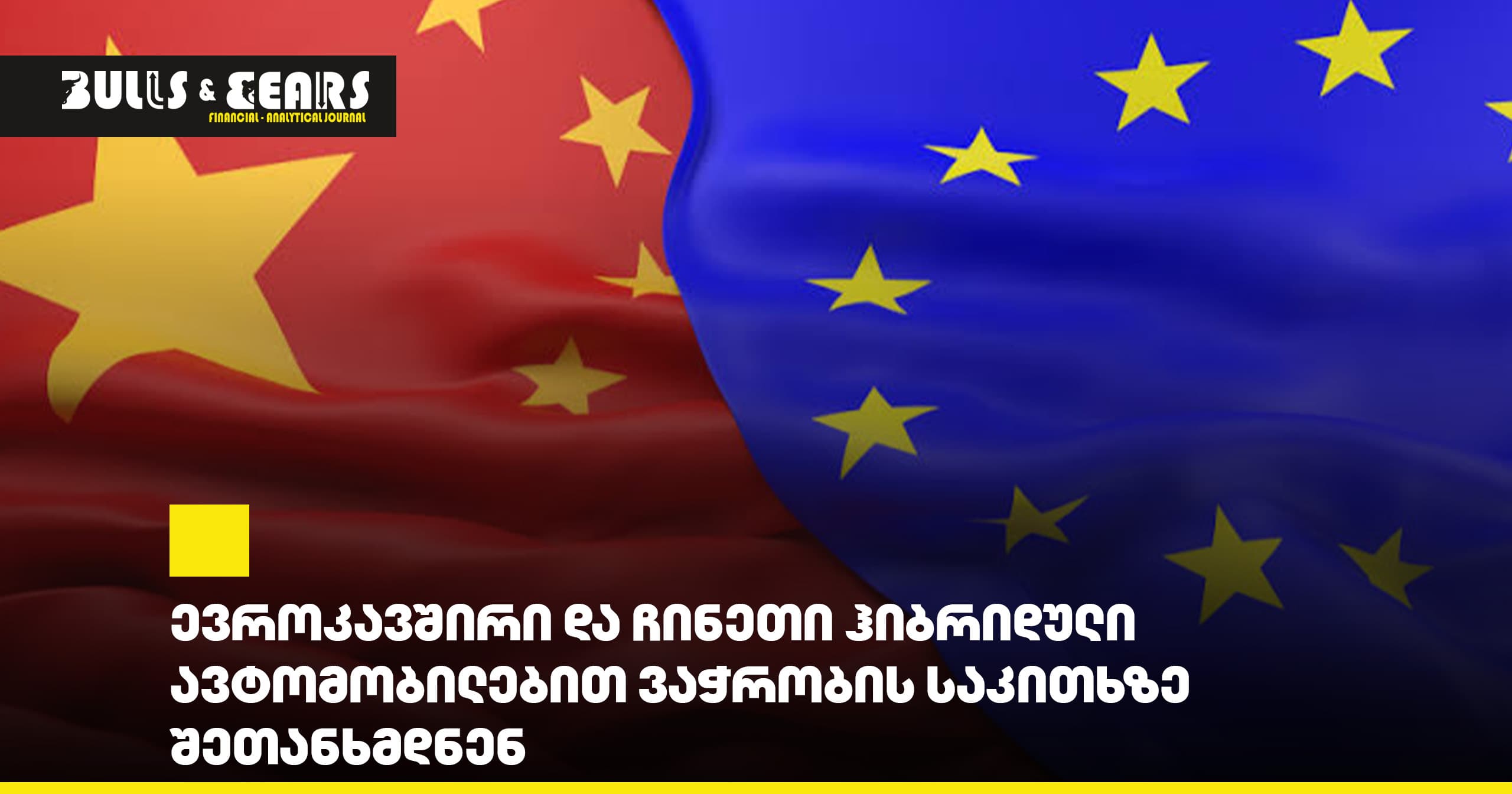
The EU and China have reached a "mutual understanding" on the issue of trade in hybrid vehicles. This was announced by China's Ministry of Commerce on Friday, following the conclusion of another round of negotiations between the parties.
The specific terms of the agreement have not yet been disclosed. According to the Chinese ministry, the mutual understanding reached complies with World Trade Organization (WTO) rules. At the same time, Beijing and Brussels will continue negotiations on price-related commitments and procedures connected to the EU's investigation into imports of Chinese electric vehicles.
Ahead of the latest meeting, media reports suggested that the EU was considering imposing quotas on the number of hybrid vehicles imported from China. Prior to that, Brussels had called on Beijing to restrict exports of hybrid vehicles and warned that, should appropriate measures not be taken, import limits could be imposed.
The meetings held in Beijing were attended by EU Trade Commissioner Maroš Šefčovič, China's Minister of Commerce Wang Wentao, and Vice Premier He Lifeng. Šefčovič will brief EU leaders on the results of the negotiations next week.
The talks are taking place against a backdrop of growing concern over imbalances in trade relations between the EU and China. European Commission President Ursula von der Leyen said in September that the EU's goods trade deficit with China reached approximately €1 billion per day in 2025. According to her, the EU will use every tool available to rebalance trade relations.
Calls for tougher trade policy have also come from French President Emmanuel Macron and German Chancellor Friedrich Merz. They proposed creating a new rapid-response mechanism that would, if necessary, restrict Chinese companies' access to the EU single market.
According to Bank of America (BofA) China economist Benson Wu, the EU is gradually shifting toward a tougher stance on trade and economic issues with China. In his view, particularly notable is the growing focus by Germany and France on economic security, industrial competitiveness, and the issue of reciprocal market access.
However, Wu believes the risk of the EU immediately restricting China's access to the single market is relatively low. Activating such trade mechanisms typically requires lengthy negotiations at the EU level and consensus among member states. In his assessment, the ongoing discussion about restrictions is being used more to strengthen Brussels' position in negotiations with Beijing than to signal the imminent adoption of immediate measures.
Get our latest market analysis and financial insights delivered straight to you. No spam — just the signal.