
Goldman Sachs: The Brazilian Real May Strengthen to 4.50-4.80 Against the Dollar After the Elections
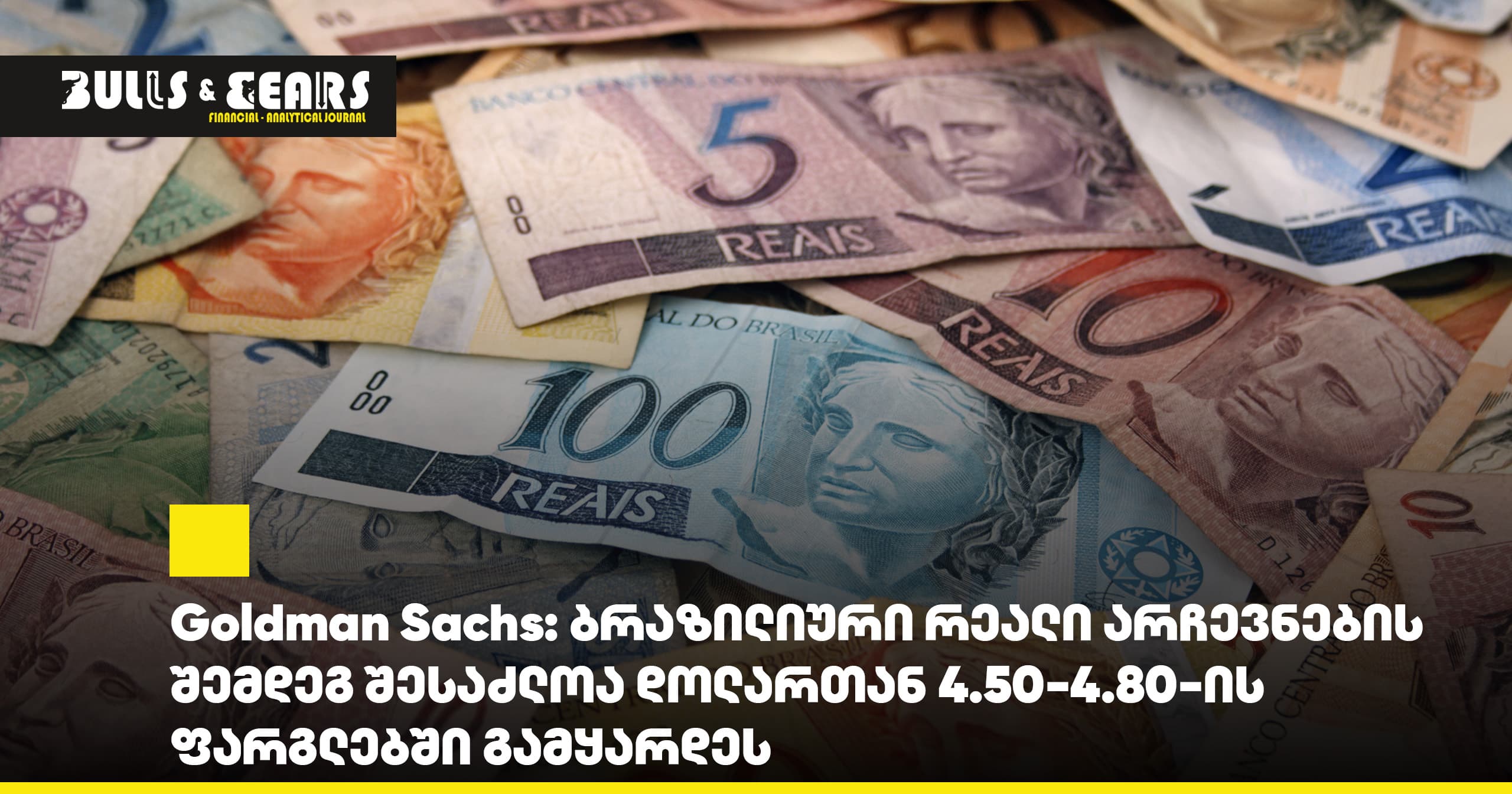
According to Goldman Sachs estimates, the Brazilian real could strengthen against the dollar to within the 4.50-4.80 real range after the elections, if the new political environment is assessed favorably by the market and generates expectations of stricter fiscal policy. The bank notes that the currency's subsequent dynamics will not depend solely on the election outcome, and the fiscal policy pursued by the government after the elections will also be important.
In the first round of Brazil's presidential elections, Senator Flávio Bolsonaro received 47.1% of the vote, while incumbent President Luiz Inácio Lula da Silva received 45.1%. Since neither candidate secured more than 50% of the vote, a runoff will be held on October 25.
According to Goldman Sachs, a decline in USD/BRL to the 4.80 level corresponds to a scenario in which the fiscal premium remaining after the real's 2024 depreciation fully dissipates. The bank's long-term fair value models also point to a rate of around 4.80.
The bank also believes the real could strengthen even further if the new administration's fiscal consolidation efforts create an additional positive fiscal premium in the market, and if the international economic environment proves favorable for the currency as well. However, Goldman Sachs considers this a more optimistic scenario.
At the same time, the bank's analysis also identifies risks in the opposite direction. If the fiscal premium returns to the elevated levels recorded at the end of 2024, the dollar could rise against the real to as much as 5.80. A premium level similar to that of September 2024 would correspond to a rate of around 5.40. According to the bank, these figures represent possible scenarios rather than a forecast of the election outcome.
Goldman Sachs notes that the results of the first round provided market participants with significant information and triggered a sharp reaction in the currency market. The bank also points out that, ahead of the first round, the real's movement was confined to a narrower range compared to previous election periods.
The main focus of the bank's analysis is on subsequent fiscal policy rather than the election outcome itself. According to Goldman Sachs strategist Teresa Alves, the policy decisions made after the elections will determine the real's movement to different levels more than the voting result itself.
Thus, following Brazil's elections, what will matter for the currency market is not only the new political environment, but also the steps the government takes with regard to fiscal discipline, public spending, and economic policy direction.
Get our latest market analysis and financial insights delivered straight to you. No spam — just the signal.