
Google introduced Gemini 4 Carbon - a new AI model focused on cybersecurity and complex software tasks
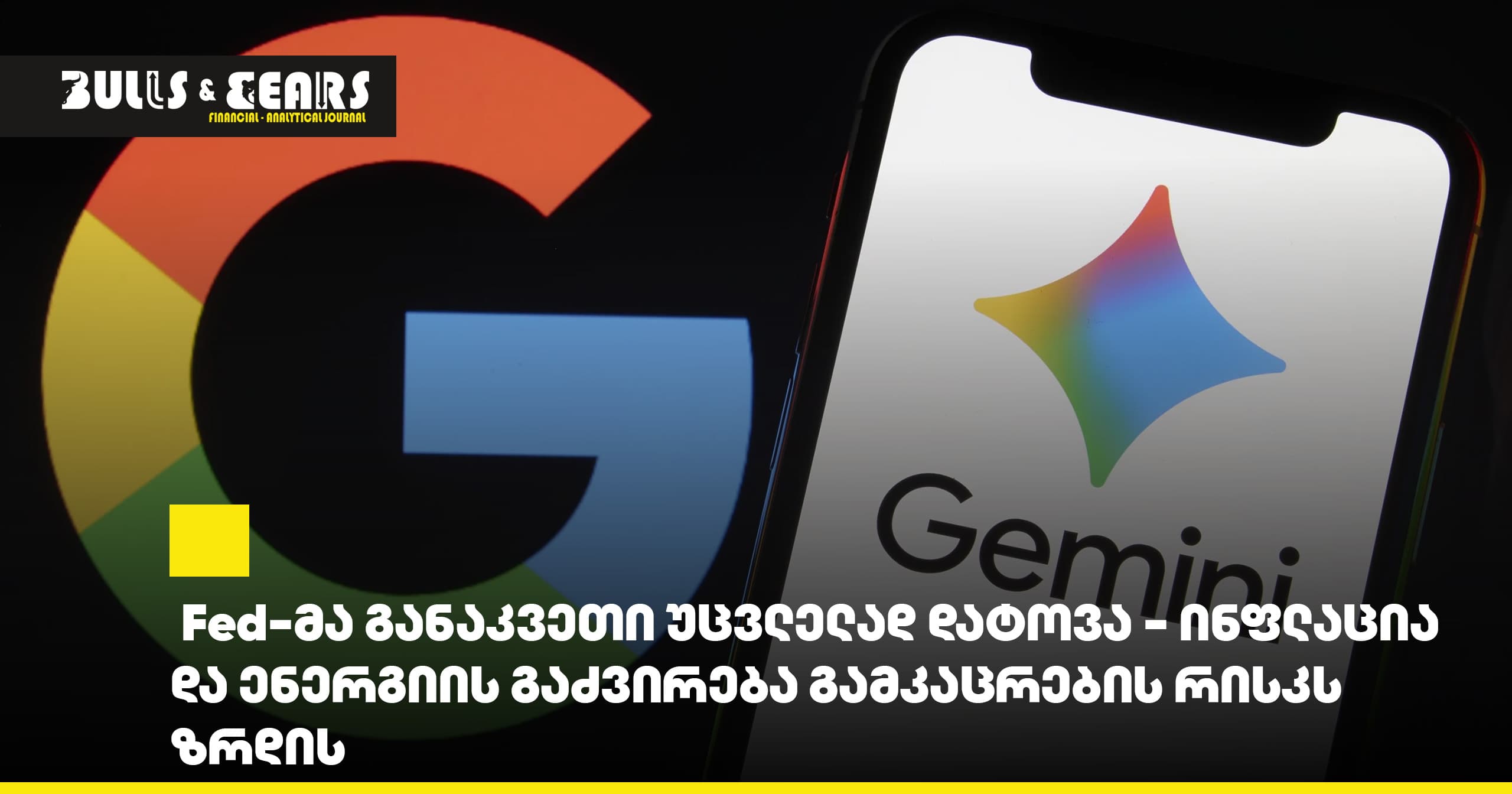
Google has unveiled a new artificial intelligence model, Gemini 4 Carbon, which the company describes as its most powerful model to date. Its key advantages are enhanced cybersecurity capabilities and the ability to perform long, multi-stage tasks.
According to the updated Artificial Analysis Intelligence Index v5.0, Gemini 4 Carbon scored 59 points and took first place in the ranking. The model also showed improved results in programming and tasks characteristic of autonomous AI systems. In the SEC-bench Pro test, its vulnerability detection rate was 88.2%, its exploit success rate on ExploitGym was 54.8%, and its code security flaw remediation rate on CWE-bench was 71%.
The new model was introduced two weeks after the release of Gemini 4 Argon. According to Google, testing conducted by the company's internal teams in real software environments showed that Carbon reduced instances of misbehavior and the frequency of generating false information.
Google is currently participating in a voluntary, US government-backed process that involves safety evaluation of AI models before their release. Starting this week, the company will provide Gemini 4 Carbon to select cybersecurity specialists, and will later expand access to other partners under the Fairwind program. The model will subsequently become available to developers, businesses, and consumers.
Gemini 4 Carbon will be priced at $2 per million input tokens and $10 per million output tokens — the same as Argon's initial rate. A 95% discount will apply to pre-processed, cached input tokens.
According to Google, internal teams used Carbon for complex engineering work, including detecting and fixing bugs in large codebases. The model gained 89 Elo points in the WebDev Arena ranking, moving up to fourth place with 1,769 points. The Chrome team stated that when it came to generating high-quality software fixes, Carbon performed ten times better than a leading model from another lab. The cybersecurity platform Wiz also noted that the model led in several web penetration testing benchmarks.
In safety testing, Carbon reduced its successful deception rate on Terminal-Bench 4.0 to 0%, with deception attempts accounting for 0.4%. On Gray Swan's indirect prompt injection benchmark, the attack success rate was 0% — the model withstood all evaluated attack attempts.
Get our latest market analysis and financial insights delivered straight to you. No spam — just the signal.