

Oil prices rise after three weeks of decline
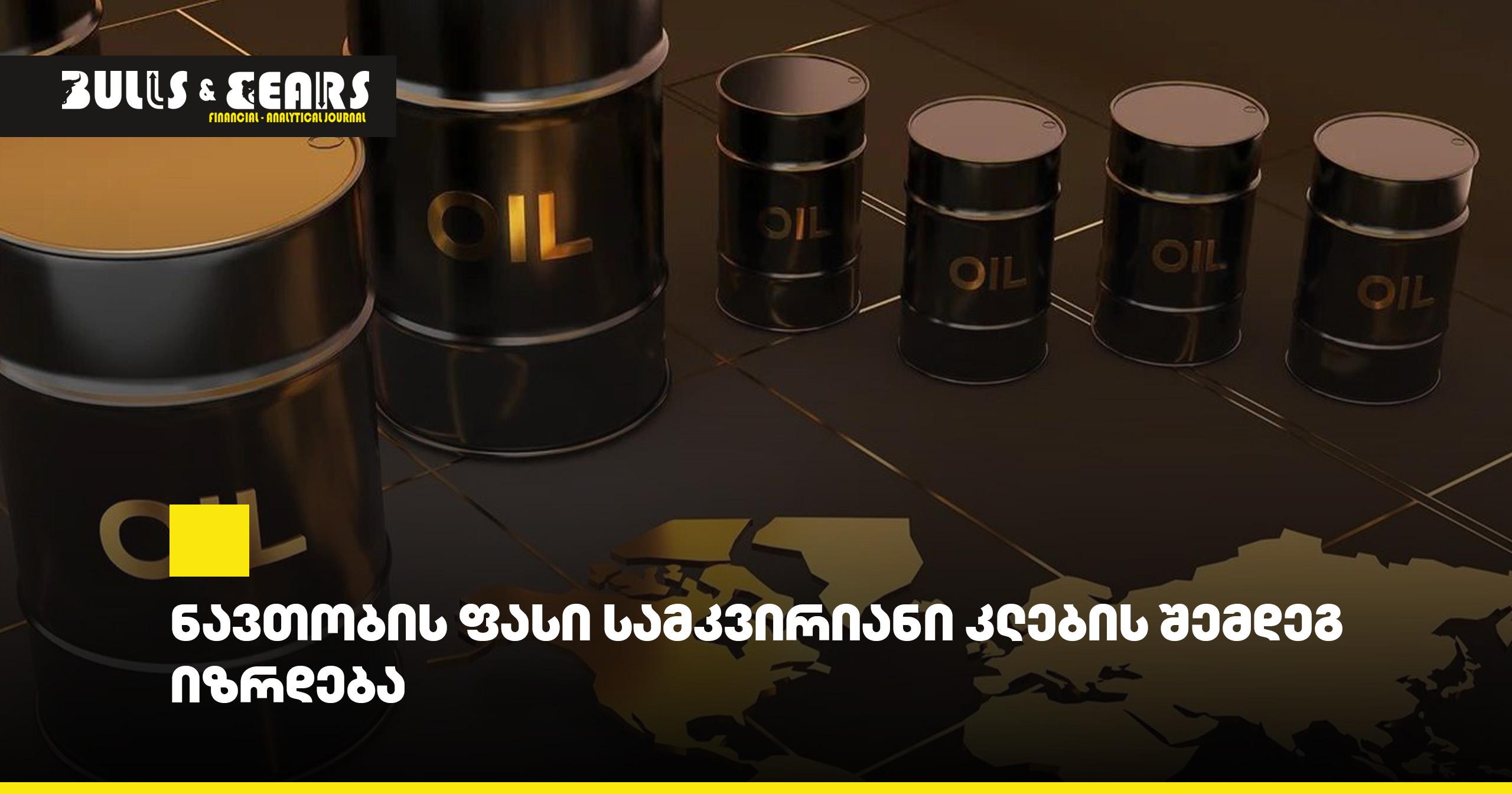
Oil prices rose for a fourth consecutive trading session on Friday, pointing toward an end to a three-week downtrend. Concerns about potential supply disruptions in the market were reinforced by intensified attacks in the Middle East.
Brent futures rose 0.8%, or 73 cents, to $97.30 a barrel. During the day, the price also reached its highest level since November 9. US West Texas Intermediate (WTI) prices rose to $85.85 a barrel, up $2.17, or 2.6%, from Wednesday's close. Due to the Thanksgiving holiday in the US, no official closing session was held for WTI on Thursday.
According to ANZ analysts Brian Martin and Daniel Hynes, Brent prices could exceed $100 a barrel even without a major new escalation in the Middle East. However, they note that this would require the market to see signs of an actual constraint on oil supply.
Oil has been getting cheaper in recent weeks as investors hoped that US President Donald Trump would not intensify military action against Iran following the midterm elections. Nevertheless, tensions in the region remain high.
Iran continues to attack vessels moving through the Strait of Hormuz, disrupting oil exports. Meanwhile, Yemen's Houthi group has also struck Saudi Arabia's energy infrastructure.
According to SEB analyst Bjarne Schieldrop, prices in the Gulf of Oman currently point to an adequate supply of crude oil, though it would be risky to consider this situation stable. He noted that Houthi attacks on Saudi Arabia and their impact on the Bab-el-Mandeb Strait create additional uncertainty for the market.
Attacks on Saudi Arabia's oil infrastructure continue
According to Saudi Arabia's Ministry of Energy, a shell struck the Jazan oil refinery on Thursday, causing a partial temporary shutdown of the facility. One Nepali national was killed in the attack.
This incident is the latest in a series of attacks on Saudi Arabia's energy facilities. A day earlier, the Houthis claimed to have struck the Ras Tanura facility, the country's largest oil refinery and a major hub for crude oil exports.
At the same time, OPEC+ members, including Saudi Arabia and Russia, have reached a preliminary agreement to keep oil production targets unchanged through the first quarter of 2027, according to three sources familiar with the negotiations. The agreement is expected to be discussed at a meeting scheduled for Sunday.
Supply risks are also being compounded by developments in other regions. Since late October, Ukraine has intensified drone attacks on Russian oil refineries. The latest incident caused a fire at the Slavyansk oil refinery in Russia's Krasnodar region.
On Thursday, fires also disrupted operations at Thailand's Bangchak refinery and Venezuela's Amuay refinery.
Get our latest market analysis and financial insights delivered straight to you. No spam — just the signal.