
Risk of cyberattacks in the retail trade sector is rising
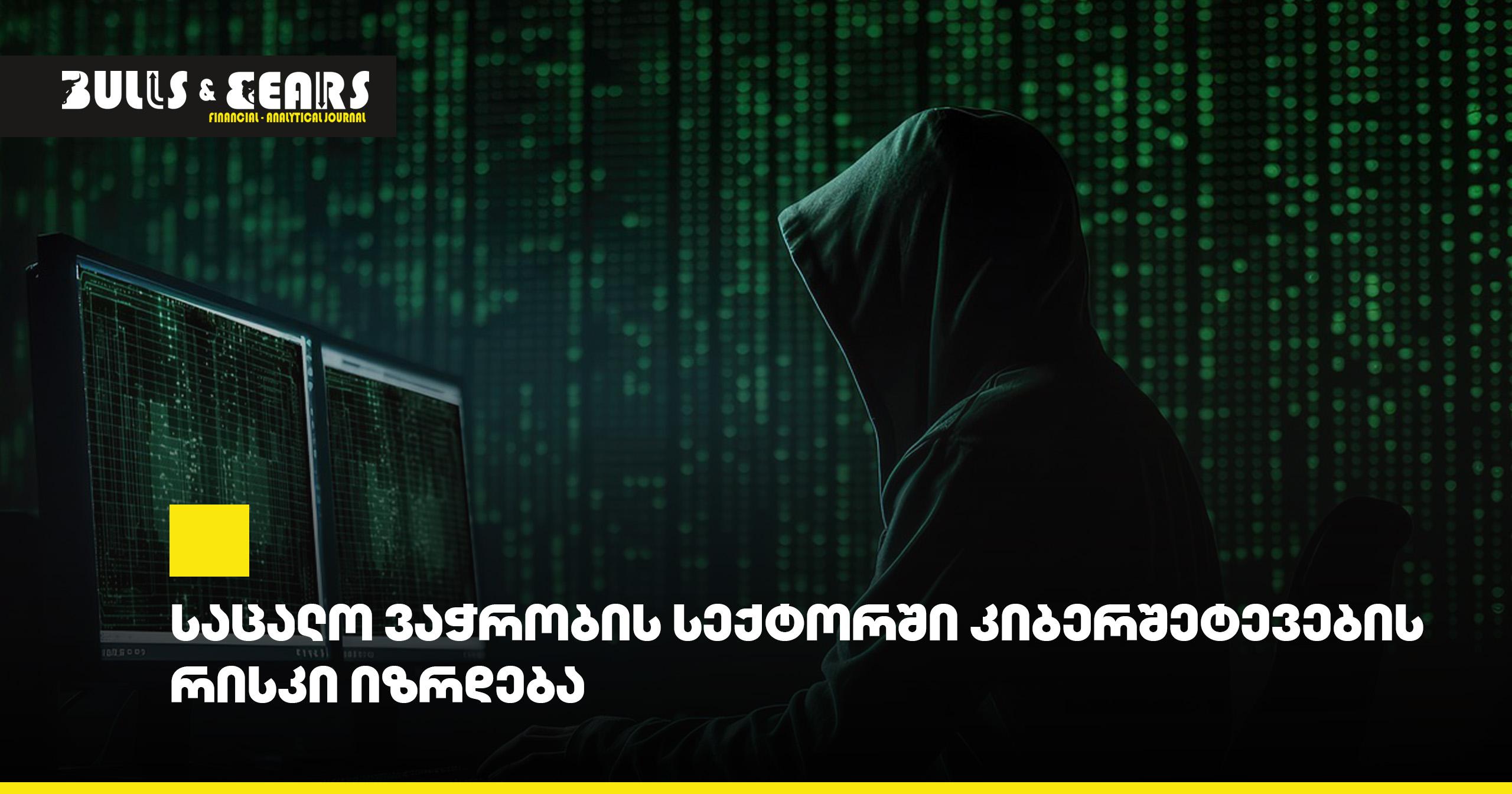
With Black Friday's trading period approaching, retail companies are facing a growing threat of cyberattacks. Artificial intelligence is making attacks faster and more scalable, while the sector has one of the lowest cybersecurity insurance rates.
The trading period that begins after Thanksgiving has traditionally been one of the most profitable times for retail. However, increasingly frequent and sophisticated cyberattacks are putting the resilience of companies' digital infrastructure to the test more and more.
According to CFC's insurance claims data, ransomware attacks on the retail, leisure and hospitality sectors are 50% more frequent in November compared to the monthly average. At the same time, only 43% of small and medium-sized retail companies have cybersecurity insurance. By comparison, this figure stands at 81% in the financial sector and 71% in the technology sector.
According to Lindsey Maher, CFC's Global Head of Cyber Risk Development, retail companies spend months testing the readiness of their websites, inventory and logistics systems for increased customer traffic, but Black Friday should not be seen merely as an opportunity to boost sales — it is also a test of a company's resilience.
Black Friday and Cyber Monday mark one of the busiest periods of the year for retail. Consumers look for discounts, and companies often offer significant price cuts. According to a PwC survey, British consumers plan to spend an average of £235 (approximately $307) during this year's Black Friday. Total spending in the UK is expected to reach its highest level since 2022.
According to David Molony, Head of Cyber and Financial Sponsors for Europe, the Middle East and Africa at Aon, retail companies typically do not purchase additional cyber insurance just for one busy weekend. Instead, they focus on testing systems and strengthening defenses. He explains that this is especially important during a period of the year when revenues depend heavily on technological systems. A cyber incident that disrupts the trading process can quickly escalate from an operational problem into a significant financial loss.
One example of the financial consequences of cyberattacks is the American retail chain Target. According to the company, a data breach during the 2013 holiday shopping season compromised the data of at least 40 million credit cards. The total net costs associated with the incident ultimately reached $202 million.
According to Sydonie Williams, Beazley's Global Head of Cyber Risks, the retail sector's complex supply...
Get our latest market analysis and financial insights delivered straight to you. No spam — just the signal.