
Customer Data of Visa, Mastercard and JPMorgan Leaked
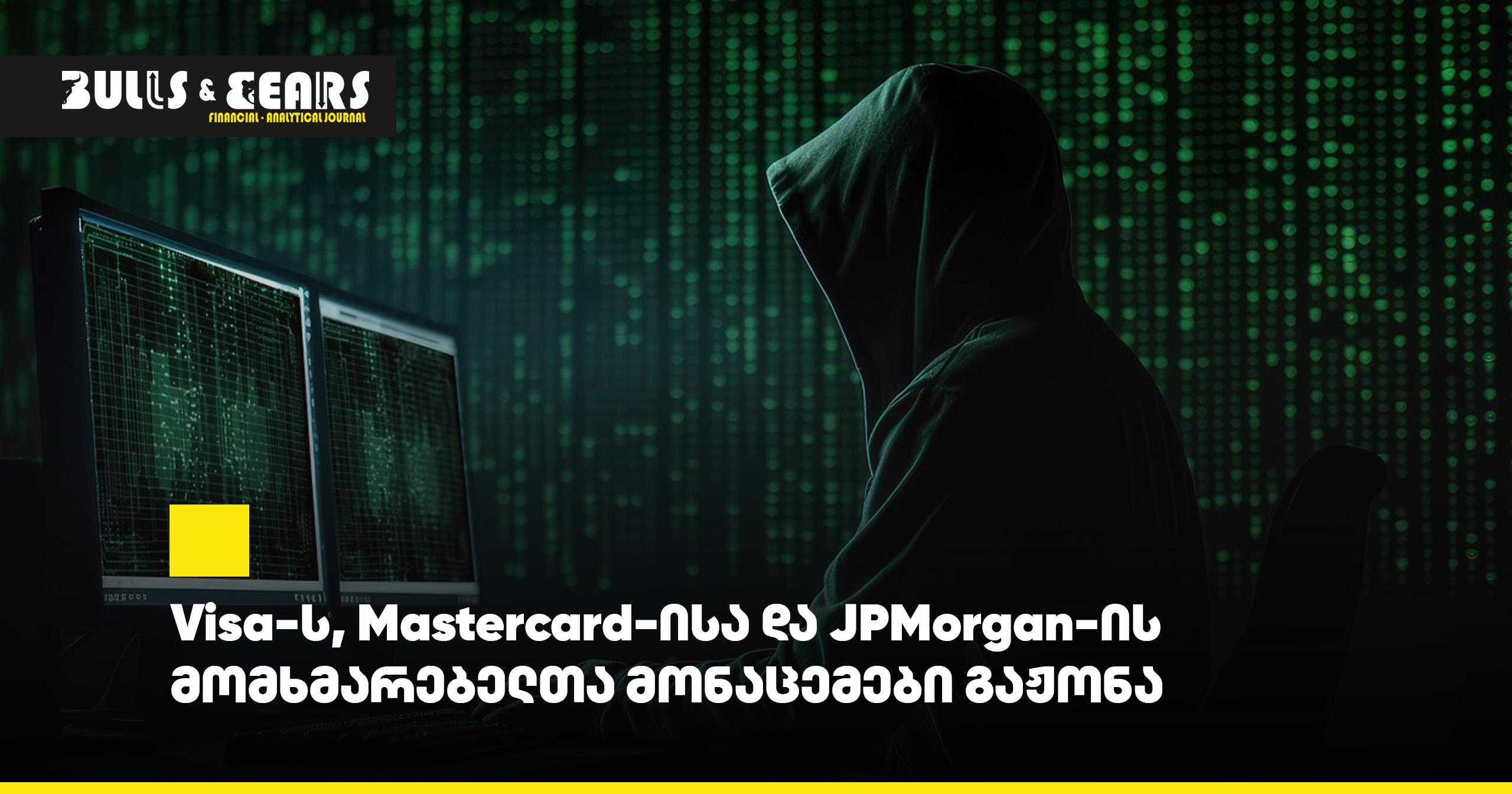
Data belonging to thousands of Visa, Mastercard, and JPMorgan Chase customers was leaked on Thursday by a ransomware hacker group, The Wall Street Journal reports. The incident has once again heightened concerns about the security of third-party companies that process customer information for financial institutions.
The financial companies stated that the cyberattack did not disrupt their payment networks or customer service. According to the publication, none of them named the third-party company that was breached.
According to a Visa representative, the incident was linked to a third-party service provider operating in the Asia-Pacific region. The company explained that Visa's own systems were not the target of the attack, and payment data, including card numbers, was not leaked.
According to Mastercard, the attack exposed "a limited amount of information about some cardholders who were enrolled in a specific rewards program." A company representative said the data leak has already been contained and that the incident has not affected either the payment network's operations or cardholders' ability to use their cards.
JPMorgan Chase stated that the attack targeted external companies that provide services to the bank. According to a bank representative, the attackers likely gained access to marketing data, which may include customers' names and email addresses. The bank's services were not disrupted.
Citing cybersecurity firm SOCRadar, The Wall Street Journal reports that the ransomware group n0n has claimed responsibility for the attack.
Third-party providers remain a weak link in cybersecurity
The incident once again demonstrates that customer data can be put at risk even without a direct breach of financial institutions' own systems. Companies frequently rely on external service providers to process data and manage customer programs, which creates additional security risks.
Although the companies state that payments and banking services continued as normal, the leak of customers' names and email addresses could open up new opportunities for fraud. Cybercriminals can use this information to craft convincing phishing messages sent on behalf of banks or card rewards programs.
Get our latest market analysis and financial insights delivered straight to you. No spam — just the signal.