

Sales of Chinese beauty accessories are rising in the US
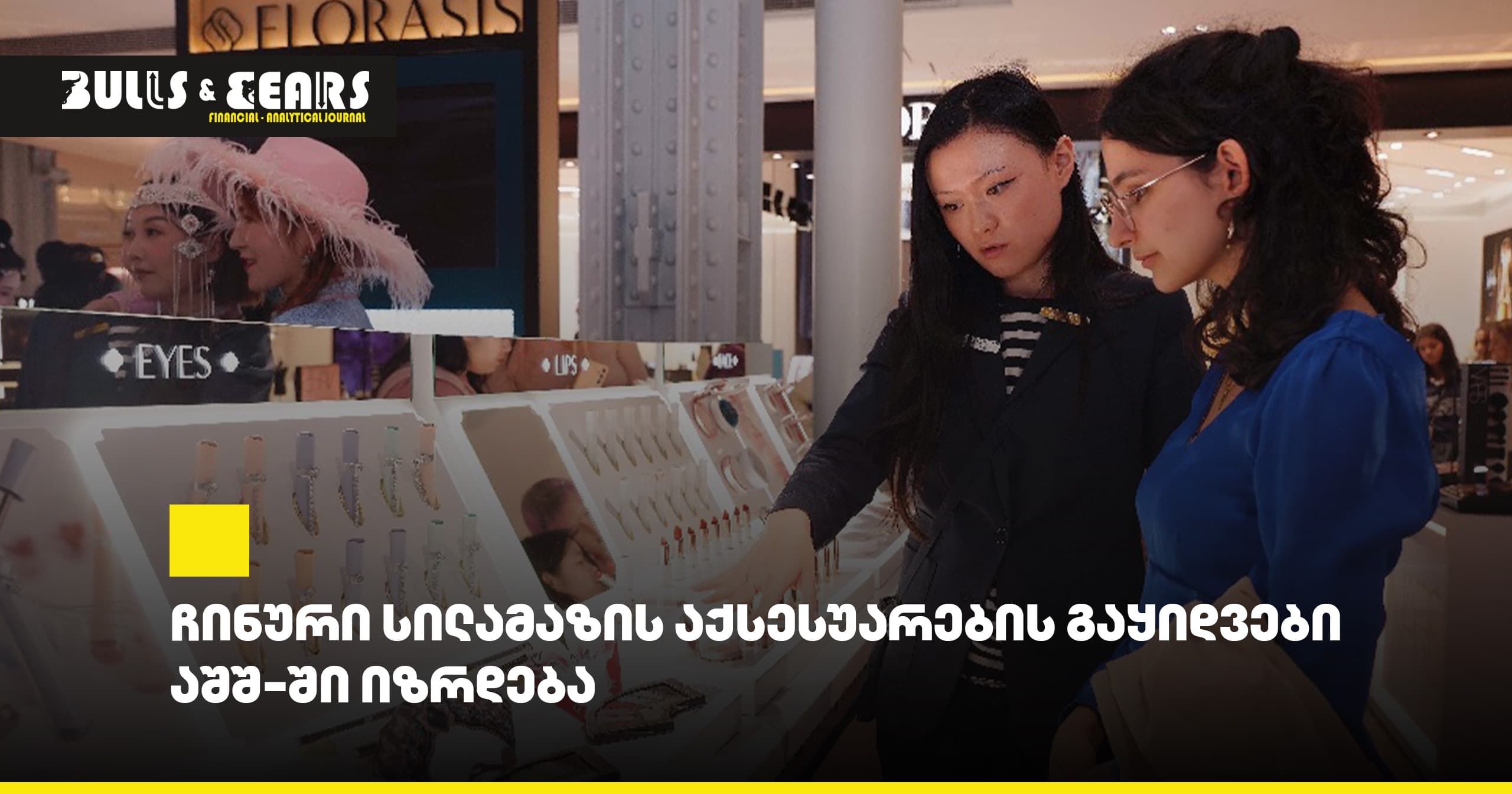
From pre-lightened straight hair wigs and wavy clip-in extensions to decorated "coffin"-shaped artificial nails, sales of beauty accessories made in China are rapidly growing in the US.
This trend is especially notable ahead of this week's summit between the US and Chinese presidents, where attention has largely focused on Chinese exports of automobiles and batteries. However, the growing exports of non-strategic consumer goods, including beauty products, also demonstrate the scale and competitiveness of Chinese manufacturing.
"This market is growing," says Joe Wu, an exporter based in Xuchang, a city in central China. The city is considered the center of China's wig manufacturing industry. Wu expects his sales to grow by 40% this year, driven largely by demand from US consumers, who often discover the products through TikTok and Instagram.
According to Chinese customs data, exports of hair products to the US rose 12.4% year-on-year in the first half of 2026, reaching $1.3 billion. If the current pace holds, annual exports will exceed the 2025 figure of $2.3 billion.
Hair products are one of China's fastest-growing export categories, rivaling traditional export goods such as computer parts, scooters, and plastic products.
There is no separate customs data for artificial nails, as they are classified under plastic products. However, manufacturers say business in this area is also growing rapidly.
Zhang, the owner of a 200-employee artificial nail factory in Donghai County in eastern China, says that in 2026 exports rose to account for 70% of the company's total revenue, up from just 20% at the end of 2025. A significant share of sales comes from the US market.
The scale of Chinese manufacturing
According to Dan Wang, head of the China practice at Eurasia Group, this trend reflects China's distinctive position in global manufacturing. She says China manages to competitively supply both high-tech and relatively low-value-added products to global markets through scale and product improvement.
In Xuchang, which has a population of about 4.4 million, roughly 300,000 people work in the hair industry, according to state media. In Donghai County, home to about 1 million people, nearly 25,000 artificial nail manufacturers and related businesses operate.
One of the main advantages for Chinese manufacturers is the scale of production. According to Wu, large-volume production allows them to compete even with Southeast Asian rivals. Much of the labor-intensive part of wig production — attaching individual hair strands to a special mesh — is outsourced mainly to North Korea, while some of the hair is sourced from rural regions of China.
"The hair industry, like any other sector, depends on economies of scale, along with an integrated chain of suppliers and manufacturers," says Wu.
At the same time, social media influence is a major factor driving demand growth. Influencers and celebrities frequently change wigs and manicures, encouraging consumers to quickly try new styles. In August, 17 of the top 20 best-selling products in the fashion accessories category on US TikTok were hair products. The best-selling item was a glueless, pre-lightened straight hair wig.
Chinese exporters do not yet see a possible tightening of US trade restrictions as a major threat. They say American demand is strong enough, and that quickly relocating production of similar scale to other countries would be difficult. According to Wu, tariffs do have an impact, but they are not a decisive factor.
Get our latest market analysis and financial insights delivered straight to you. No spam — just the signal.