
Eurozone private sector growth remained at a slower pace in November
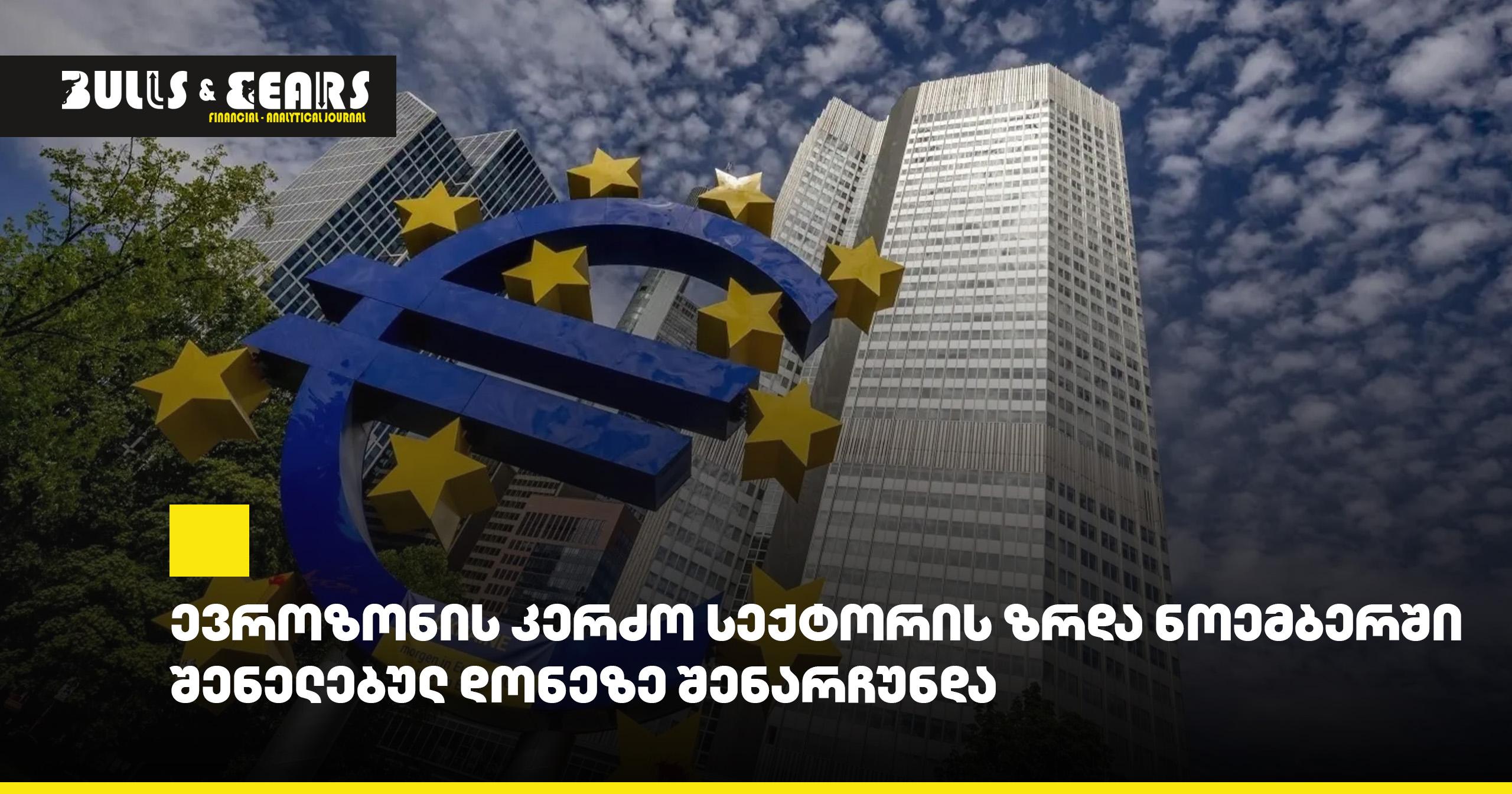
In November, the eurozone's private sector maintained moderate growth. According to preliminary data published today by S&P Global, the Composite PMI Index, which reflects activity in the manufacturing and services sectors, remained at 51.7, matching October's reading. A reading above 50 indicates growth in economic activity.
Activity in the services sector weakened somewhat. S&P Global's Services Business Activity Index fell from 51.4 in October to 51.2, the lowest reading in the past five months.
By contrast, the manufacturing sector showed improvement. The eurozone's Manufacturing Output Index rose from 52.8 to 53.3, reaching a two-month high. The overall Manufacturing PMI also increased, from 52.7 in October to 52.9 in November.
Germany was the main driver of growth in the region, where output rose at the fastest pace since March 2022. France, however, showed the opposite trend: business activity declined for the second consecutive month, posting its sharpest drop in the past six months. The gap in economic performance between Germany and France reached a six-year high.
In November, the number of new orders in the eurozone rose for the fifth consecutive month, though the pace of growth remained moderate. Orders grew faster in the manufacturing sector than in services. Export orders also increased, partly driven by intra-eurozone trade, although the growth rate was the lowest in the past three months.
Employment levels remained largely stable following a slight decline recorded in October. Employment in the manufacturing sector grew at its fastest pace in three and a half years, while jobs in the services sector declined for the second consecutive month. The number of employees also fell in both Germany and France.
On the cost side, prices paid by companies for raw materials and other inputs continued to rise sharply, although the rate of inflation slowed to a three-month low. The growth in selling prices for goods and services also slowed, reaching its lowest level since August. Prices rose faster in Germany, while in France price growth was the weakest in the past eight months.
Business confidence regarding the outlook for the next 12 months deteriorated for the fourth consecutive month, falling to its lowest level since May. Expectations weakened in the services sector but improved in manufacturing. Business pessimism in France increased further, reaching its second-lowest level since 2012, excluding the pandemic period.
At the same time, purchasing volumes by manufacturing companies rose at their fastest pace in four and a half years, led by Germany. Supply chain disruptions also intensified: delivery times for goods lengthened the most since June. Companies increased their purchased inventories for the second consecutive month.
Get our latest market analysis and financial insights delivered straight to you. No spam — just the signal.