
Oil Price Falls as Trump's Statements Ease Fears of Military Escalation with Iran
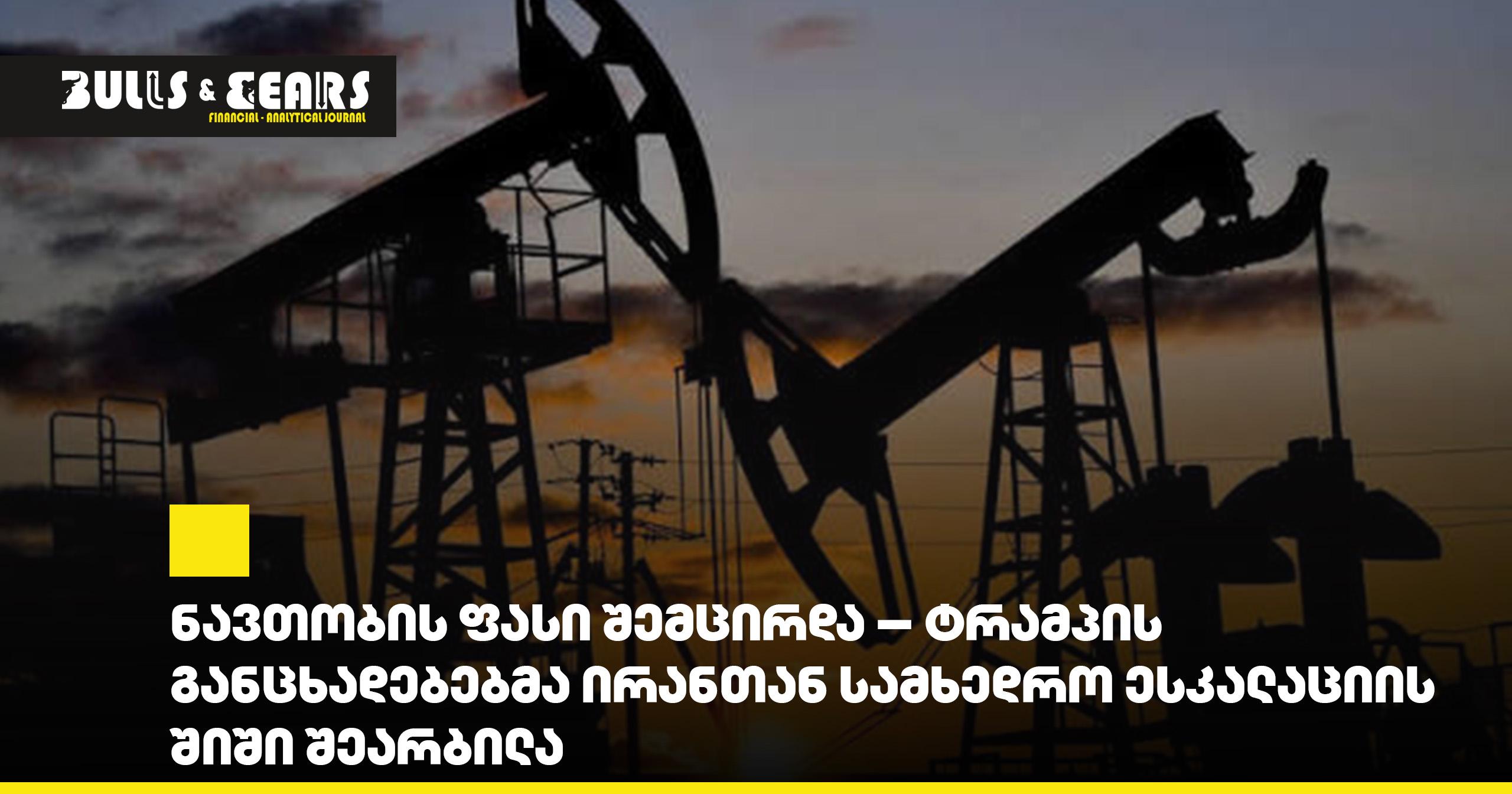
On Monday, oil prices continued their decline after US President Donald Trump reduced the likelihood of additional military operations against Iran. The statement eased expectations of further escalation in the Middle East conflict and prompted investors to buy at relatively lower prices following last week's sharp drop.
As of 03:18 (Eastern Time), January Brent futures fell 1.8% to $96.55 per barrel, while US WTI dropped 1.2% to $89.78. Notably, Brent prices fell by roughly 16% last week, marking the sharpest weekly decline since the start of the COVID-19 pandemic.
Trump's statements eased market tension
Speaking to CNN, Trump said that ordering additional strikes on Iran is less likely if negotiations continue to make progress toward reaching a strong agreement.
The Democratic Party's success in the US midterm elections also reinforced expectations that Congress would increase pressure on Trump to demand an end to the conflict. The president himself acknowledged that the war with Iran had negatively affected Republicans' election results. Vice President JD Vance made similar remarks about this connection.
Nevertheless, diplomatic progress remains uncertain. Trump is scheduled to meet with Qatar's Prime Minister on Monday, with mediation being one of the key topics on the agenda. However, Secretary of State Marco Rubio stated that there has been no significant progress in negotiations and that an agreement is not expected in the near future.
According to Iran's Foreign Minister Abbas Araghchi, mediators halted shuttle diplomacy between the parties following the US elections, meaning it will take time to resume diplomatic efforts.
Shipping risks rise in the Strait of Hormuz
Despite diplomatic hopes, attacks on commercial vessels and navigation restrictions in the Strait of Hormuz continue to threaten the outlook for oil supply.
Iranian media reported that no vessels passed through the strait on Sunday. Earlier, Tehran stated that navigational aid systems in the southern part of the waterway had been destroyed, restricting movement along routes Iran considers unauthorized.
The threats to shipping were also confirmed by reports from the United Kingdom Maritime Trade Operations (UKMTO) agency. On Sunday, a tanker heading toward the strait's exit was struck by an unidentified projectile, while another tanker caught fire northwest of the Omani city of Khasab, requiring the crew to be evacuated.
Iran separately reported that several tankers and tugboats caught fire after colliding with mines in the waters, though this information has not been independently confirmed by maritime authorities.
Adding to this, Iran-backed Houthi forces claimed they attempted an attack on a Saudi Aramco office in Riyadh, Saudi Arabia. According to Saudi authorities, falling debris damaged windows on several floors of the building, but there were no casualties.
US intensifies pressure on Iran, Iraq seeks export alternatives
Meanwhile, Washington has expanded its pressure campaign against Iran. Task Force Iron Gate aims to restrict Iran's access to advanced weaponry, sanctioned materials, and other prohibited goods via land borders and Caspian Sea trade routes.
Amid supply disruptions, Iraq is also seeking alternative export routes. According to the country's Foreign Minister, Baghdad has agreed with Washington to transport Iraqi oil through a designated maritime corridor near Oman, bypassing the Strait of Hormuz.
Iraq's oil exports recovered to approximately 3.5 million barrels per day in October, up from 2.65 million barrels in September. Nevertheless, the Foreign Minister estimated that the war and export disruptions have cost the country approximately $60 billion.
Thus, oil prices are simultaneously influenced by two opposing factors: reduced expectations of military escalation following Trump's statements, and the real threats in the Strait of Hormuz, which continue to keep the risk of energy supply disruptions elevated.
Get our latest market analysis and financial insights delivered straight to you. No spam — just the signal.