
US stock futures are showing mixed dynamics as inflation data remains the focus of investors' attention
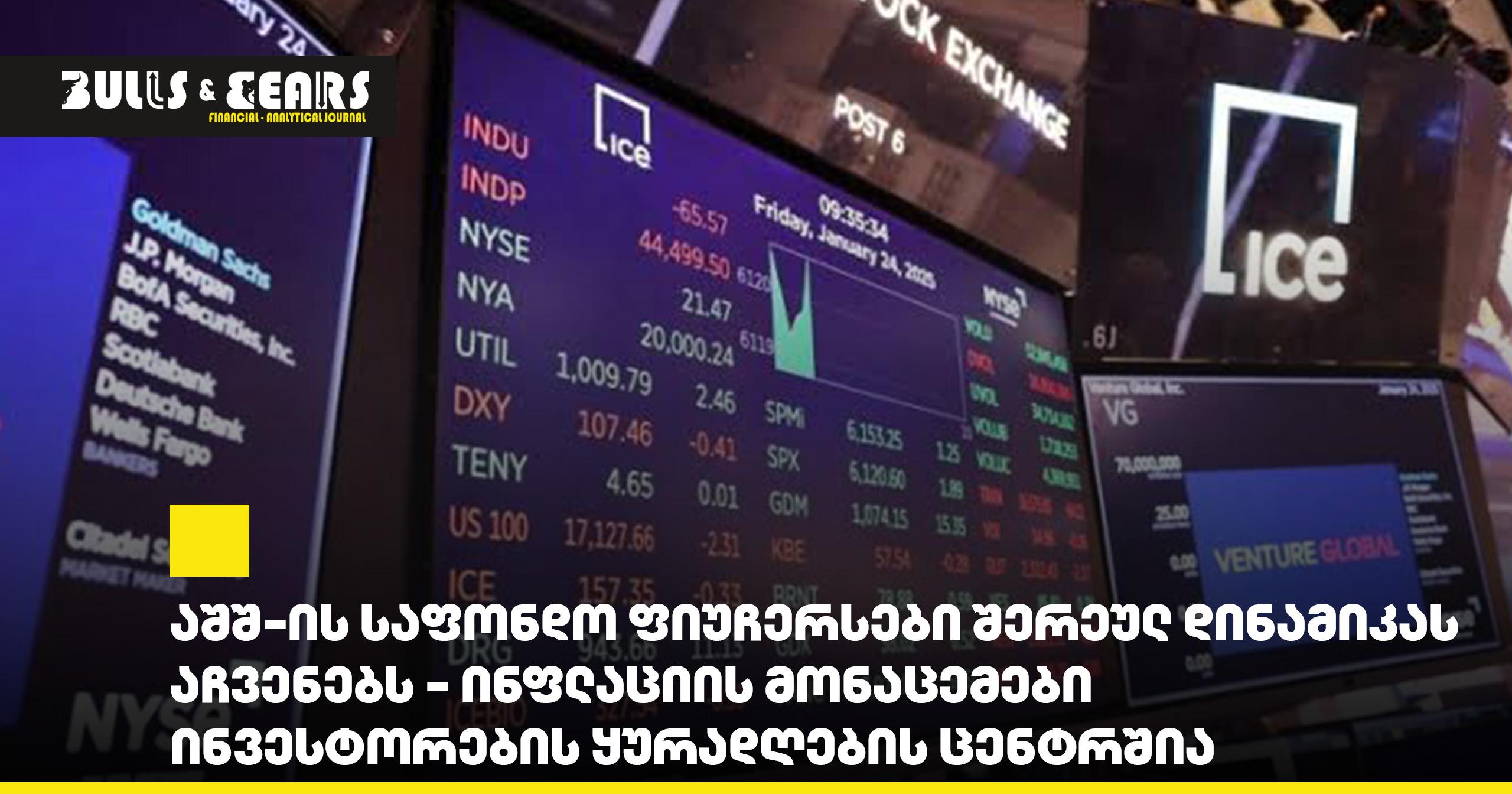
On Monday, US stock index futures moved in mixed directions. Technology sector indicators showed relatively weak dynamics, driven by the corporate crisis developing around Nvidia and lingering uncertainty following last week's large-scale sell-off. At the same time, broader market indices rose — investors are awaiting the release of key inflation data.
Dow Jones futures rose 0.8% to 51,789 points, S&P 500 futures gained 0.5% to 7,413 points, while Nasdaq 100 futures added 0.3% to 27,173 points.
Despite the Nasdaq Composite managing a 1.1% recovery on Friday, the technology sector remains under significant pressure following an overall negative week for Wall Street. Investors are paying particularly close attention to how sustainable the massive investments in the AI industry really are.
Crisis around Nvidia intensifies pressure on technology sector
One of the main reasons behind the relatively weak dynamics of Nasdaq futures is the situation unfolding around Nvidia's leadership. The company's shares fell 4.6% before market trading began.
According to the publication, the company's board of directors launched an independent investigation over the weekend after CEO Jensen Huang apologized to employees and confirmed his relationship with businesswoman Ali Huang. The woman is suspected by US intelligence agencies of possibly spying on behalf of China.
The scandal raises questions about Nvidia's corporate governance. This is particularly significant given that the company is one of the leading players in the global AI industry, and its leadership is regarded as an important symbol of the sector's growth.
Pressure on technology stocks also increased sharply last week. On Thursday, the Nasdaq fell 5.5%, entering technical correction territory. Among other factors, the decline was fueled by fears related to the possibility of a significant Democratic victory in the US midterm elections. Investors speculate that such a political outcome could tighten antitrust scrutiny of technology companies and strengthen environmental regulations targeting data centers that consume large amounts of energy.
AI infrastructure companies' earnings to test demand sustainability
To assess the outlook for the technology sector, investors' attention this week will be focused on the financial reports of companies operating in the AI infrastructure space.
Cloud computing provider CoreWeave will release its financial results on Tuesday. On Thursday, semiconductor equipment manufacturer Applied Materials and networking technology company Cisco Systems will present their quarterly reports.
Investors will be watching closely for any signs of slowing demand. The information received will help the market determine whether last week's decline in technology stocks was merely a reassessment of political and regulatory risks, or whether it marks the beginning of a broader slowdown in the technology and infrastructure sector.
Inflation data to influence Federal Reserve decisions
Beyond the troubles in the technology sector, the main macroeconomic event for the US market this week will be new inflation data. The October Consumer Price Index (CPI) will be released on Tuesday, while Producer Price Index (PPI) data will be published on Friday.
Last week, stronger-than-expected employment data reinforced expectations of an interest rate hike. According to the CME FedWatch tool, the fixed income market is currently pricing in nearly an 80% probability that the Federal Reserve will raise rates again at its December 8–9 meeting.
The central bank resumed tightening monetary policy in September, following a three-year pause, in order to curb inflationary pressure. Accordingly, if this week's inflation figures exceed expectations, it could further reinforce the view that interest rates will remain elevated for an extended period.
Such a scenario would make borrowing more expensive for companies and investors, could negatively affect stock valuations, and would test the resilience of the stock market as a whole.
Get our latest market analysis and financial insights delivered straight to you. No spam — just the signal.